
Lihat juga


 08.06.2026 12:55 PM
Today, the euro, the British pound, and the Canadian dollar were traded using the Mean Reversion strategy. I did not execute any trades based on the Momentum strategy.
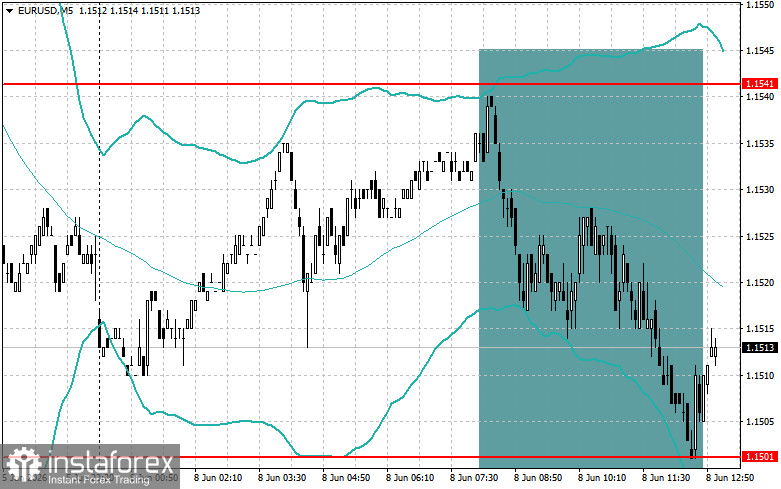
The sharp decline in German industrial orders put pressure on the euro during the first half of the day, as it provided further evidence of a slowdown in the European economy, which had already been showing signs of weakness. A contraction in industrial production, especially in a key economy such as Germany, inevitably affects the overall performance of the eurozone economy, influencing both investor and consumer sentiment.
The negative dynamics in industrial orders point to several issues. First, they may indicate a decline in the competitiveness of German products in global markets due to Trump's tariffs. Second, they may reflect a broader slowdown in the global economy caused by high energy prices, which is reducing demand for industrial goods. Third, domestic factors cannot be ruled out.
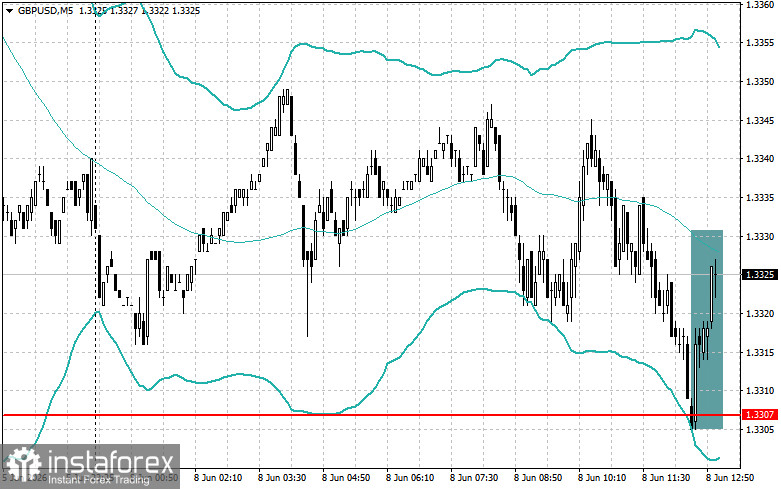
Unfortunately, there are no U.S. economic releases scheduled for the second half of the day, so traders' attention will shift entirely to Trump and his statements regarding the conflict between Iran and the Middle East. The absence of U.S. macroeconomic data creates a vacuum that is likely to be filled by speculation and rumors. This could lead to increased volatility in both currency and equity markets.
Any statement by Donald Trump regarding his view of the situation in the Middle East and potential actions toward Iran will add another layer of uncertainty. Tensions in this strategically important region remain a risk factor for the global economy, and any new comments or announcements could either heighten or ease market concerns.
If strong economic data is released, I will rely on the Momentum strategy. If the market shows no reaction to the data, I will continue using the Mean Reversion strategy.
Momentum Strategy (Breakout Trading) for the Second Half of the Day:
For EUR/USD
For GBP/USD
For USD/JPY
Mean Reversion Strategy (Fade Trade) for the Second Half of the Day:
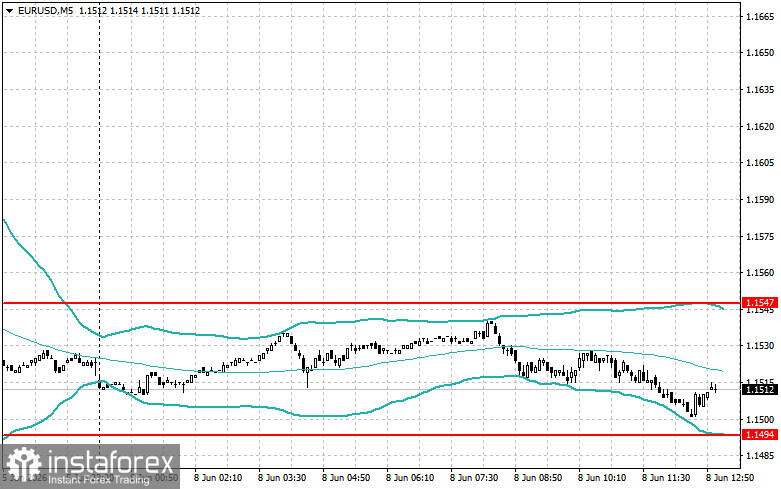
For EUR/USD
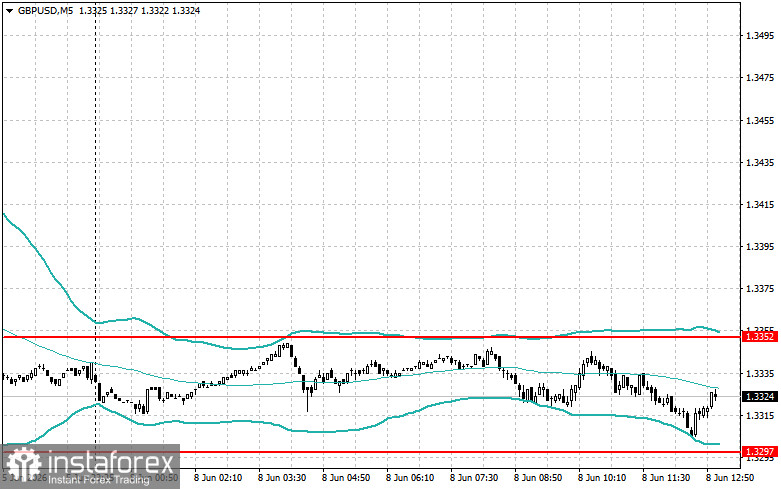
For GBP/USD
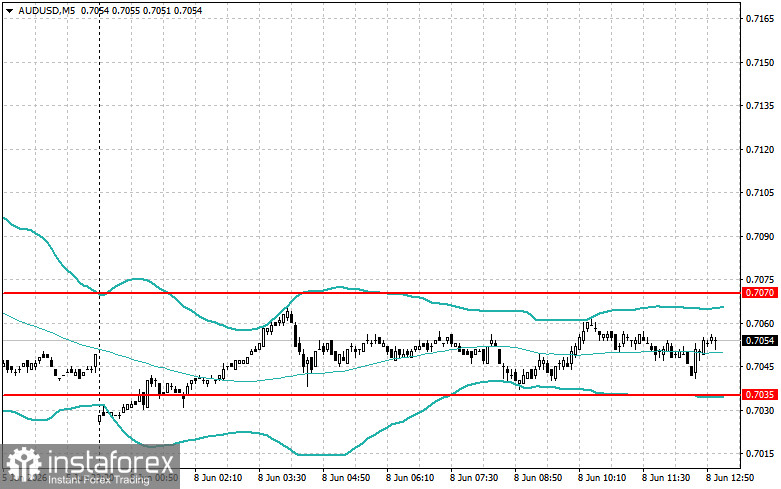
For AUD/USD
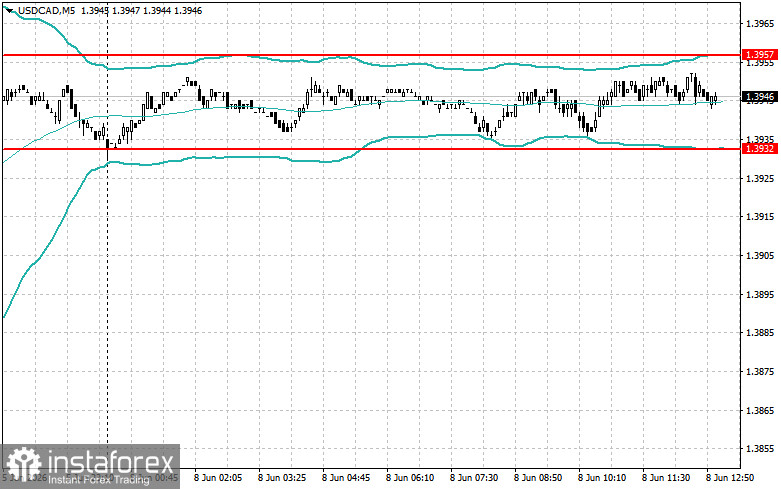
For USD/CAD


