यह भी देखें


 24.06.2026 08:50 AM
The dollar continues to rise despite the resolution of the situation in the Middle East.
This is linked to heightened expectations among traders for interest rate increases by the Federal Reserve this year. Traders are closely monitoring statements from Fed representatives and macroeconomic data that influence their conclusions. The market assesses the likelihood of another monetary policy tightening as quite high. Rate hikes generally make the U.S. dollar more attractive to traders seeking to enhance the yield on their investments.
Conversely, the euro is under pressure. The economic situation in the Eurozone, despite some positive signals, remains unstable, and inflation rates continue to rise. The British pound is also facing challenges, though it is faring slightly better than the euro.
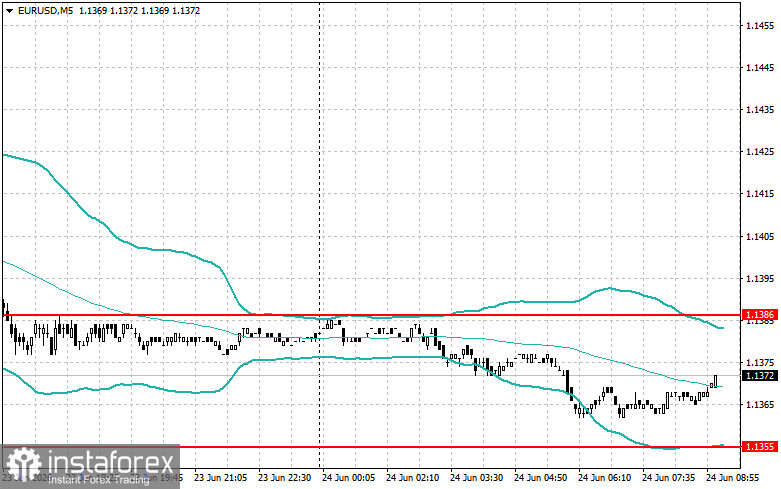
Today promises to be eventful for the euro, as key economic data from Germany is set to be released, which could significantly impact the exchange rate. In particular, the comprehensive business climate index from the IFO institute is expected to be published. This indicator, composed of three key components—current situation assessments, economic expectations, and an overall business activity index—is among the most closely monitored.
If the published figures surpass analysts' expectations and indicate an improvement in the business climate in Europe's largest economy, this could provide a significant stimulus for the euro. Positive signals from Germany are typically seen as indicators of stability and potential growth for the entire Eurozone, which, in turn, supports the strengthening of the common currency. Traders will closely analyze each component of the IFO index, seeking confirmations of a sustainable recovery in economic activity.
Alongside expectations of these data, investors will pay particular attention to the speech of Bundesbank President Joachim Nagel. His comments regarding the current economic situation and, importantly, the prospects for Germany's monetary policy, could have a dual impact.
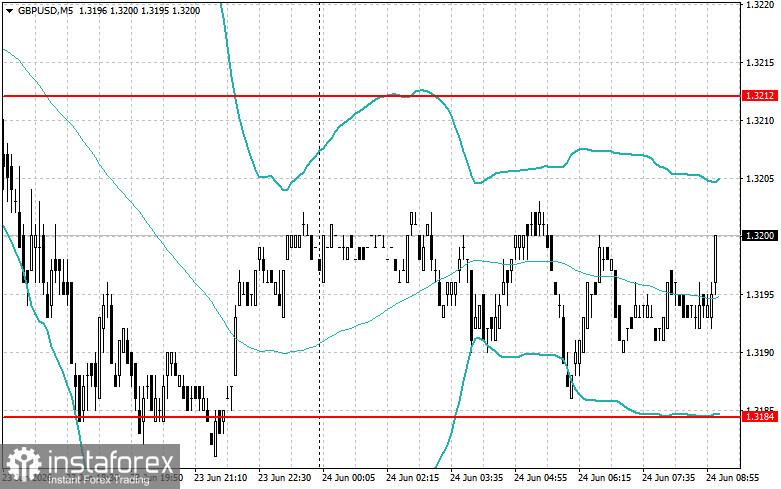
Regarding the pound, today is unlikely to be decisive. The market awaits speeches from two key figures at the Bank of England: Financial Stability Committee member Sarah Breeden and Monetary Policy Committee member Huw Pill. Their statements are expected to set the tone for the future movement of the national currency. Amid slowing economic activity and persistent inflationary pressures, the speeches by BoE representatives take on particular significance.
If the data align with economists' expectations, it is advisable to act using the Mean Reversion strategy. If the data significantly exceed or fall short of economists' expectations, it is best to use the Momentum strategy.